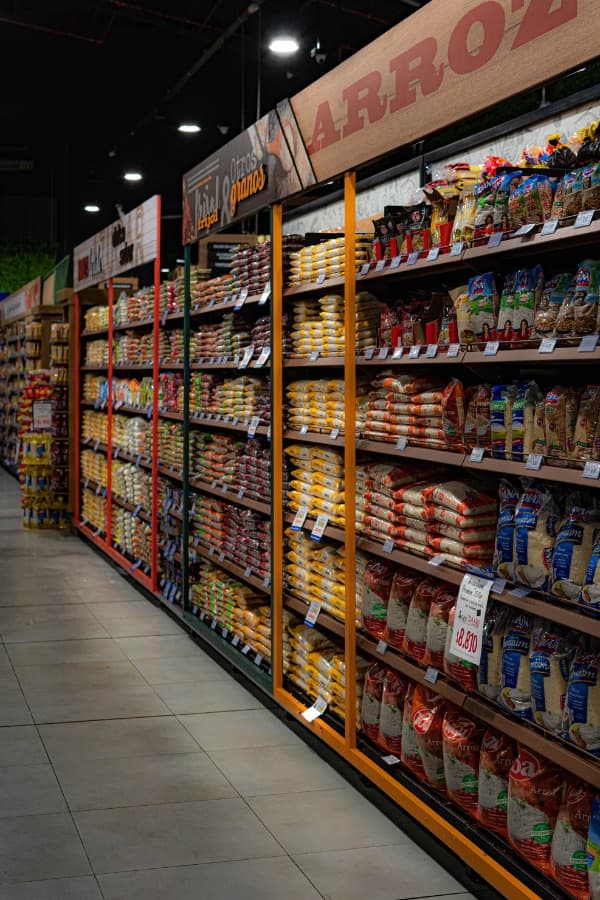
Why Cheap Nigerian Foodstuff in the UK Feels Like a Myth
If you have ever walked into an African food shop in Peckham, Woolwich, Barking, Handsworth, or Moss Side and quietly done the maths on a 5kg bag of rice or a tin of palm oil, you already know the feeling. The food is there. The food is real. But the price tags can make your chest tight, especially when you are also sending money home, covering rent in a house share, or stretching a nursing or care-worker salary across a whole month.
The honest truth is that cheap Nigerian foodstuff in the UK exists, but not usually on the shelf of a small African grocer. It lives at the wholesale level: the cash and carry, the bulk supplier, the big sack rather than the small bag. The catch has always been that wholesale quantities are too large for one person to store in a London flat or a Glasgow box room. That is exactly the problem that Pantry's Bulk Buy Groups solve. Friends in the same city form a group, everyone picks what they want, everyone puts money into a shared pot, Pantry places one wholesale order, and it is delivered to your door. The savings are real because wholesale pricing is real.

Here are 7 Nigerian staples where that wholesale difference is most worth chasing.
-
Long-Grain Parboiled Rice
Rice is the staple where buying wholesale makes the biggest single difference to a UK household. African and Caribbean food shops typically stock 5kg and 10kg bags at retail margins that reflect rent, staffing, and low turnover. A 25kg or 50kg sack bought at the wholesale level costs significantly less per kilogram. Across a Bulk Buy Group of six or eight people, that sack is easy to split, and nobody needs a garage to store their share. Check current wholesale pricing on the UK Store to see the live difference.
-
Palm Oil
Palm oil is one of the most marked-up items in any African food shop, and it is one you use constantly. A small tin or plastic bottle on a grocer's shelf goes through several hands before it reaches you. Buying a larger drum or a case of tins at wholesale pricing and splitting it across your group cuts out every one of those markups. Palm oil keeps well, so there is no waste risk when you buy in volume.
-
Garri (Cassava Granules)
Garri is light, keeps almost indefinitely in a dry cupboard, and is dramatically cheaper per kilogram when bought in bulk. A large sack shared across a group costs a fraction of what you pay per gram for the small retail pouches sold in the world food aisle at Tesco or in an African grocer. For students in Leeds or Luton, or families in Milton Keynes stretching a weekly shop, garri is one of the smartest items to co-buy.
-
Semolina and Eba Flour
Whether you make eba, tuwo, or semovita-style swallow, these flours are far better value at wholesale weight. Retail packs are convenient but expensive. The flour stores easily in sealed containers, meaning a share from a bulk order sits perfectly in a kitchen cupboard or a small pantry shelf. Split across a group in Birmingham or Luton, even one bulk order can supply a household for several months.
-
Dried Crayfish and Stockfish
Dried crayfish and stockfish are flavour essentials in Nigerian cooking and also among the priciest items by weight in African food shops across the UK. They are also shelf-stable for a long time when stored properly, which makes them ideal bulk-buy candidates. Buying a wholesale quantity and splitting it through a Bulk Buy Group is one of the quickest ways to notice a real difference in your monthly food spend.
-
Groundnut Oil and Vegetable Cooking Oil
Large cooking oil containers are available at African cash and carry wholesalers at prices that simply do not appear on a high-street shelf. The issue is that a 10-litre or 20-litre container is more than most households need before it goes off. Split across a group, that ceases to be a problem. Each household gets a practical amount at a wholesale unit cost, delivered without anyone needing to haul a heavy container on the bus.
-
Dried Beans, Lentils, and Black-Eyed Peas
Beans are a protein staple and one of the most cost-effective items to buy in bulk, yet retail packs in African food shops are consistently expensive relative to their weight. A 25kg bag of black-eyed peas, honey beans, or brown beans divided among a group in London, Cardiff, or Edinburgh works out at a fraction of the per-kilogram price you see on the shelf. Beans store easily in airtight containers, making them a practical and genuinely money-saving co-buy.
How a Bulk Buy Group Actually Works
The idea is simple, and it is already how a lot of Nigerian and West African families informally shop, except Pantry makes it organised, fair, and trackable. Friends or neighbours in the same UK city form a group. Each person chooses what they want from the available catalogue. Everyone pays their share into a shared group pot. Pantry places a single wholesale order on behalf of the group and arranges delivery to a nominated address. No one person has to front the whole cost, no one has to drive to a cash and carry, and nobody ends up with 25kg of rice they cannot store.
There is also a cashback element: a portion of the group's spend comes back as cashback into the group pot. That means each subsequent round costs the group a little less than the last. Over time, consistent group buyers find their food costs dropping without changing what they eat or compromising on quality.
You can browse available products and see current wholesale prices at the UK Store before you even invite anyone to join a group.
A Practical Note on Storage
One concern people raise about bulk buying is space. UK flats and house shares are often small. The good news is that in a Bulk Buy Group, you only receive your personal share of the order, not the whole sack. Your share of a 25kg bag of rice might be 5kg or 8kg, which fits easily in a kitchen cupboard. The bulk saving is real even when your personal portion is small, because you are paying the wholesale unit price regardless of how many kilograms you actually take home.
Stop Paying Retail When Wholesale Is an Option
Nigerian and West African food is not going to get cheaper on its own in the UK. Import costs, shop rents, and small margins mean that African grocers are often charging what they have to charge. The way around that is not to stop buying the food you love. It is to buy smarter, at the level where the markup has not been added yet. Pantry's Bulk Buy Groups make wholesale pricing accessible to anyone with a few friends or neighbours willing to pool their orders.
If you are ready to pay less for the staples you already buy every month, Get started with Pantry and set up or join a Bulk Buy Group in your area. Already a member? Sign in to start your next group order and see what is available at wholesale pricing today.


